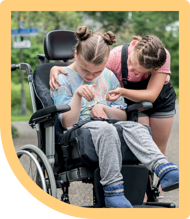
Inequalities in Emotional Health and Wellbeing

While this strategy is designed to benefit all young people across Sefton, it is essential to keep our most vulnerable groups at the heart of our approach. These young people are more likely to experience mental ill health and consistently lower levels of wellbeing due to a range of modifiable risk factors. These factors do not define a child’s future, but they do increase the likelihood of emotional distress if not addressed early and consistently. That’s why our strategy focuses on early intervention, joined-up support, and creating safe, nurturing environments across both home and school settings. By recognizing and responding to these risks, we can better equip all young people, especially those facing the greatest challenges, with the tools and support they need to thrive. With this in mind we must have particular consideration of:
■ Ethnic minority groups
■ Those living in poverty
■ The LGBTQIA+ community
■ Young carers
■ Those with physical disabilities or chronic conditions
■ Those with special educational needs or learning disabilities
■ Those exposed to violence or abuse
■ Children who have a social worker
■ Cared for children/care experienced children
■ Children of parents who have lived through Adverse Childhood Experiences
■ Those with parents or guardians who themselves have poor mental health