
Context

National Context: Mental Health Challenges for Young People
Across England, youth services have faced major funding cuts. Every region saw reductions of at least 60%, with the North West hit hardest losing 74% of its funding. These cuts have made it harder to support young people and have worsened mental health, increased inequalities, and led to poorer health outcomes for children. The latest survey on children and young people’s mental health in England revealed some concerning trends:
■ 1 in 5 young people aged 8–25 likely had a mental health disorder
■ Over 1 in 4 children aged 8–16 with a mental disorder had a parent who couldn’t afford for them to join activities outside school, compared to 1 in 10 without a disorder
■ Young adults aged 17–25 with a mental disorder were 3 times more likely to miss out on sports, social events, and days out due to cost
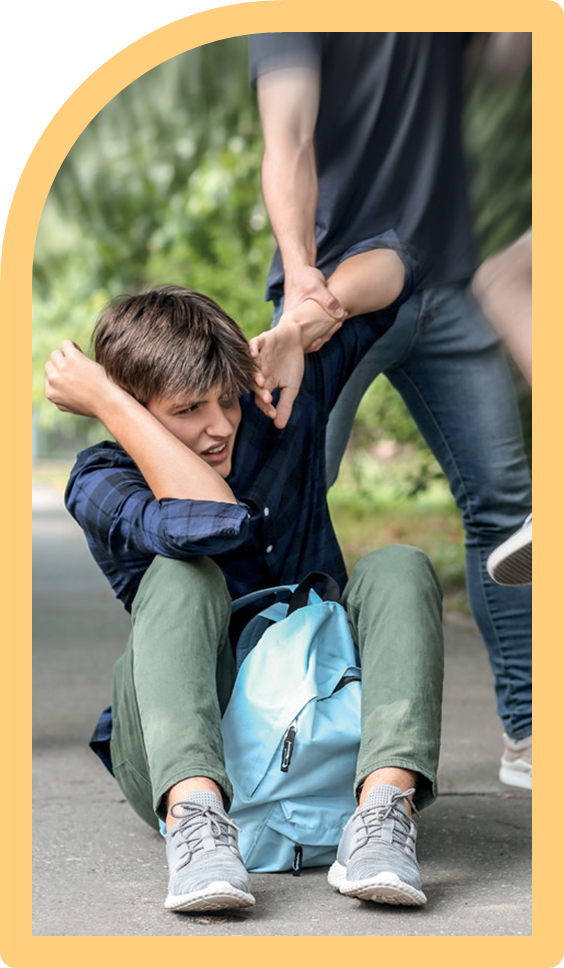
■ Children aged 11–16 with a mental disorder were 5 times more likely to be bullied in person, and also more likely to be bullied online
■ Social media has been linked to several mental health issues in young people, including anxiety, depression, low self-esteem and eating disorders.
■ Young women are especially affected, reporting more bullying and problematic use of social media than young men.
Sefton Context: Youth Mental Health & Wellbeing
In 2022/23, 9.3% of school-age pupils in Sefton were identified as having social, emotional, and mental health needs—often linked to behaviour and academic challenges. These issues are deeply connected to poverty and deprivation, which disproportionately affect the most vulnerable young people.
■ Deprivation & Poverty:
• Sefton has consistently ranked higher than the national average for deprivation
• 38 areas in the borough fall within the most deprived 10% nationally
• Child poverty remains a major concern, see the Sefton Child Poverty Strategy for more information.
■ Health & Lifestyle Challenges:
• Obesity rates are rising - 1 in 10 reception-aged children and nearly 1 in 4 Year 6
children are classified as being obese—a statistically significant increase over the past decade
• Substance use is growing - 77 under-18s accessed substance use services in 2023/24
(up from 61 the year before)
• 1 in 10 young people reported drinking alcohol, with half feeling pressured
• 1 in 50 felt pressured to take drugs
■ Emotional Safety & Bullying:
• 1 in 5 aged 8–16 experienced bullying in the past year
• 23% of 8–11s experienced bullying
• 38% of 12–16s faced verbal bullying
• 24% of 12–16s experienced online bullying
• 43% of 17+ reported verbal bullying
■ Safety concerns:
• Many young people feel unsafe alone, in parks, or in the
dark
• 28% of 12–16s and 26% of 17+ feel unsafe on public
transport
• Loneliness and relationship issues are top
reasons for accessing Kooth, Sefton’s digital
wellbeing service
■ Intergenerational Impact:
• Over 12% of Sefton adults have experienced
4+ Adverse Childhood Experiences (ACEs)
• These ACEs can lead to intergenerational
trauma, affecting the wellbeing of children
under their care
■ Academic Pressure
• 58% of young people aged 12+ report feeling
anxious about tests and exams